Quick answer
- Oil-filled heater: silent, steady warmth for bedrooms. Slow to heat up, but safest of the electric heaters for long use.
- Fan heater: heats a small room fast. Noisy and dries the air; best for short bursts.
- Halogen heater: instant warmth on you, not the whole room. Good for a chair or desk.
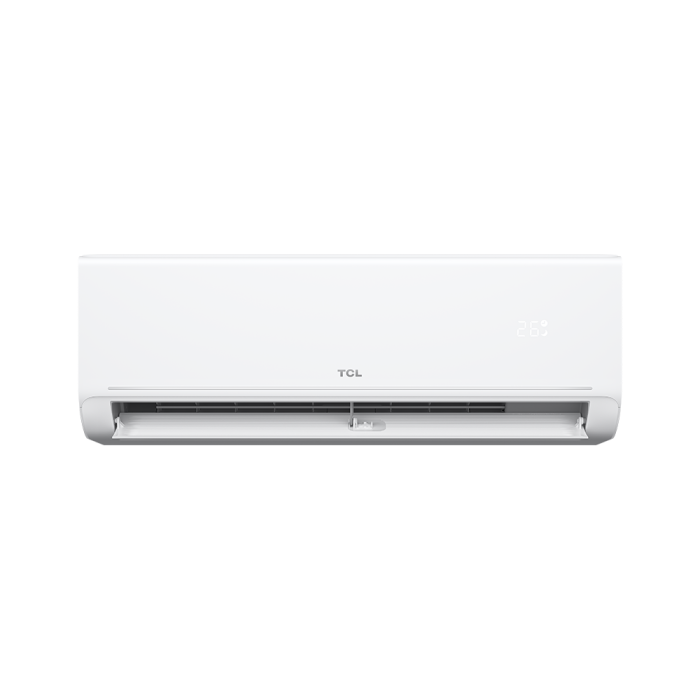
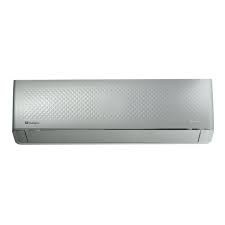
- For heating a room every day, a heat-and-cool inverter AC costs far less to run than any of these.
An electric room heater is the simplest way to take the chill off a room, with no installation and no gas. But the three common types work very differently, and choosing the wrong one means a noisy room, a dry throat or a high bill. Here is how to pick.
The three types of electric heater
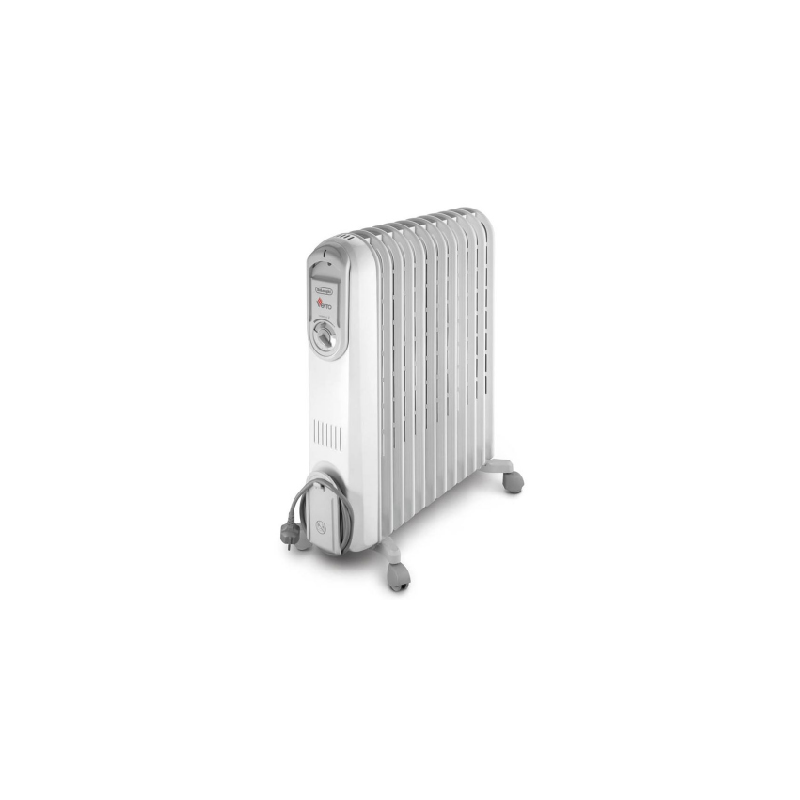
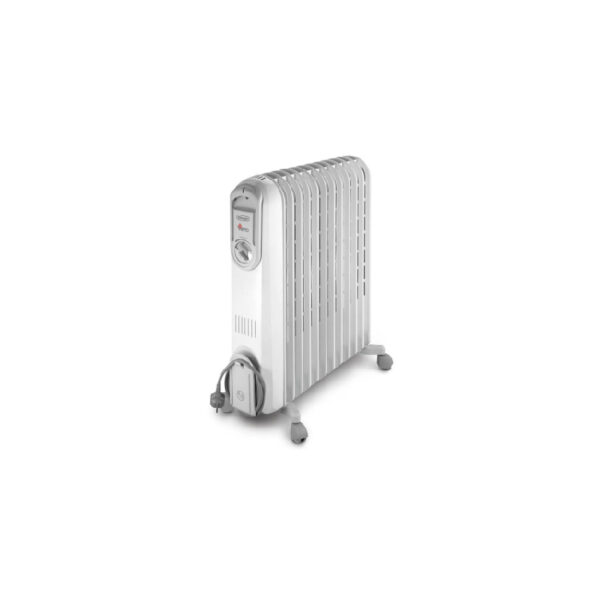
Oil-filled radiator
Looks like a small radiator on wheels. An element heats sealed oil inside the fins, and the fins warm the room gently and evenly. It is completely silent and keeps radiating heat for a while after it switches off. It takes 15–30 minutes to warm a room, so switch it on before you need it. More fins means more heat: a 9-fin heater suits a typical bedroom.
Fan heater
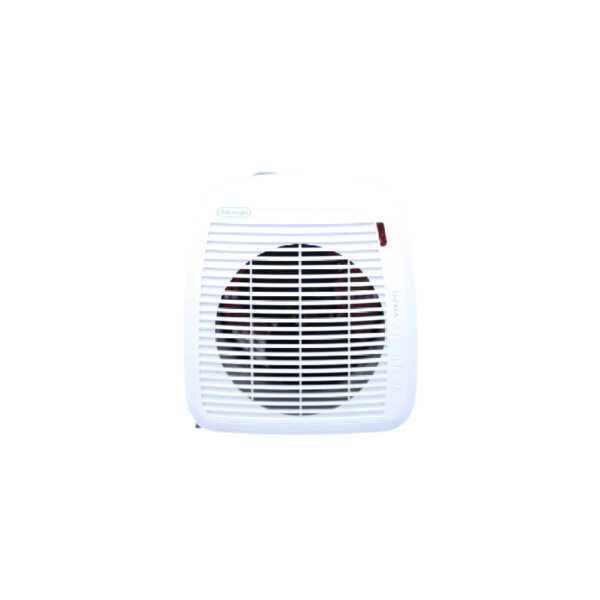
A small unit that blows air over a hot element. It warms a small room within minutes and is easy to carry around. It is noisier, it dries the air, and the heat fades quickly once switched off. Ideal for a bathroom before a bath, or a quick warm-up.
Halogen heater
Glowing halogen tubes send out radiant heat, like sunlight, that warms people and objects in front of it rather than the air. You feel it immediately, but only within a couple of metres. Good for sitting at a desk or in one chair.
Comparison
| Oil-filled | Fan | Halogen | |
|---|---|---|---|
| Typical power | 1.5–2.5 kW | 1–2 kW | 0.8–1.2 kW |
| Heats | Whole room, evenly | Small room, quickly | The person in front of it |
| Warm-up | 15–30 minutes | 2–5 minutes | Instant |
| Noise | Silent | Fan noise | Silent |
| Best for | Bedrooms, long evenings | Bathrooms, quick warm-ups | Desks, reading chairs |
What it costs to run
Electric heaters turn electricity directly into heat, so running cost depends only on power and hours: units = kilowatts × hours. A 2 kW oil heater on full power for 5 hours uses 10 units. Most oil heaters have a thermostat and two or three power settings, so once the room is warm they cycle on and off and use less.
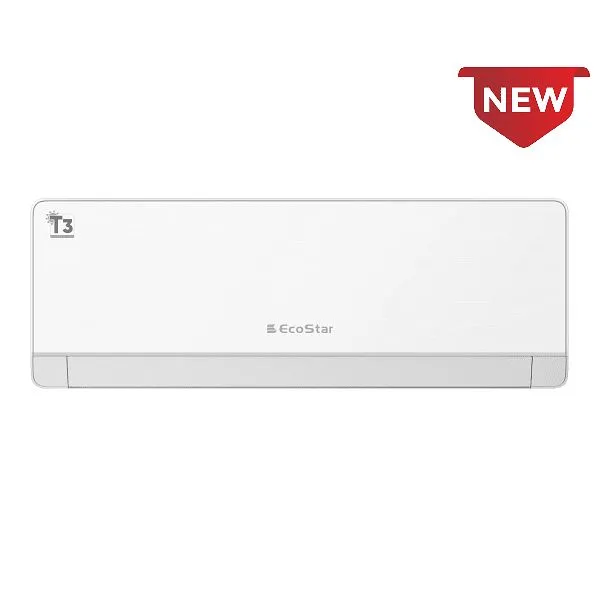
Using a heater every evening? A heat-and-cool inverter AC typically gives 2–3 times more heat per unit. Over a whole winter the saving can be large. See the cheapest way to heat a room.
Safety rules for every electric heater
- Keep at least 1 metre from curtains, bedding, sofas and clothes.
- Plug directly into a wall socket. Avoid extension boards, which can overheat at 2 kW.
- Never cover the heater or dry clothes on it.
- Choose a model with tip-over and overheat protection, especially with children or pets at home.
- Switch off when you leave the room or go to sleep, unless the model is designed for unattended use with a thermostat and timer.
Electric heaters do not produce carbon monoxide, which makes them safer than gas heaters in closed rooms.
Heaters we stock
Oil heater, fan heater, or a heat-and-cool AC
Browse all geysers and heaters.
Frequently asked questions
Which heater is best for a baby’s room?
An oil-filled heater with a thermostat and overheat protection, placed well away from the cot. It is silent, has no exposed glowing element, and gives steady warmth.
Do electric heaters dry the air?
Fan heaters dry the air the most. A bowl of water in the room or a humidifier helps. Oil-filled heaters affect humidity less.
Can I run a heater on a UPS?
Generally no. At 1–2.5 kW, a heater drains a home UPS battery very quickly. Use heaters on mains power only.