Quick answer
- Cheapest electric option: a heat-and-cool inverter AC. In a Lahore winter it typically gives 2–3 times more heat per unit of electricity than an oil or fan heater.
- Gas heater: cheap to run when gas pressure is good, but unreliable in winter and dangerous in a closed room.
- Oil or fan heater: low price to buy, but the most expensive way to heat a room for hours every day.
Every winter the same question comes up: what is the cheapest way to keep a room warm? With low gas pressure in many areas and electricity prices where they are, the answer has changed in the last few years. This guide compares the three common options so you can decide for your home.
How a heat-and-cool AC heats so cheaply
An electric heater turns one unit of electricity into one unit of heat. A heat-and-cool inverter AC works differently: it moves heat from the outside air into your room, the same way a fridge moves heat out of its cabinet. Even when it is cold outside, there is still heat in the air to collect.
In Lahore and most of Punjab, winter temperatures usually stay above freezing. In these conditions a good inverter AC typically delivers 2–3 units of heat for every unit of electricity. That is why it costs far less to run than an electric heater for the same warmth.
Side-by-side comparison
| Heat-and-cool inverter AC | Gas heater | Oil-filled or fan heater | |
|---|---|---|---|
| Running cost | Low | Low when gas is available | High |
| Typical power use | About 0.6–1.2 kW once the room is warm (1.5 ton) | Gas, little electricity | About 1.5–2.5 kW at full power |
| Works during gas load-shedding | Yes | No | Yes |
| Safety | No flame, no fumes | Carbon monoxide risk in closed rooms | No fumes; keep away from curtains |
| Upfront cost | Highest, but it also cools in summer | Low | Low |
| Best for | Bedrooms and lounges used every day | Homes with steady gas and good ventilation | Occasional use, small rooms |
Figures are typical ranges; your actual use depends on the model, room size, insulation and outside temperature.
A worked example
Say you heat a bedroom for 6 hours every evening for 60 winter days.
- Oil heater at about 1.8 kW average: 1.8 × 6 × 60 = about 650 units.
- Heat-and-cool inverter AC at about 0.8 kW average: 0.8 × 6 × 60 = about 290 units.
That is roughly 360 fewer units over the winter. At an example rate of Rs 55 per unit (check your own bill), the saving is around Rs 20,000 in one winter, before counting the cooling you also get in summer.
What about gas heaters?
Where gas is available at normal pressure, a gas heater is cheap to run. The problems are reliability and safety:
- Gas pressure often drops on cold mornings and evenings, exactly when you need heat.
- Gas heaters burn oxygen and can produce carbon monoxide, a gas you cannot see or smell. Every winter in Pakistan, families are harmed by heaters left on in closed rooms.
Never sleep with a gas heater on in a closed room. If you use one, keep a window slightly open, switch it off before sleeping, and have the connection checked for leaks.
Getting the most heat from your AC
- Set 22–24 °C in heat mode. Each degree higher costs more.
- Point the louvres downwards in heat mode, as warm air rises.
- Keep doors and curtains closed, and seal gaps under doors.
- Clean the filters before winter, just as you would before summer.
- Expect short “defrost” pauses on very cold, damp mornings. This is normal: the outdoor unit melts frost off its coil.
Heat-and-cool models we recommend
Heat-and-cool inverter ACs
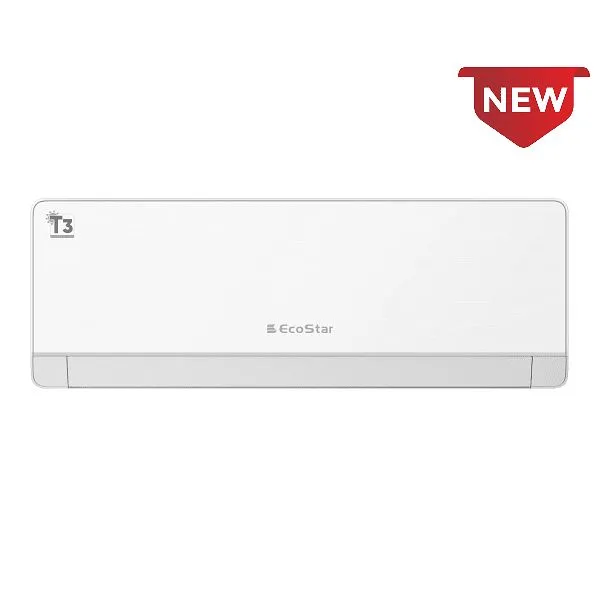 EcoStarEcoStar Prince Series 1 Ton Inverter T3 AC (Heat & Cool) – ES-12PR02WT3 | 2025 ModelRs 125,500In stock
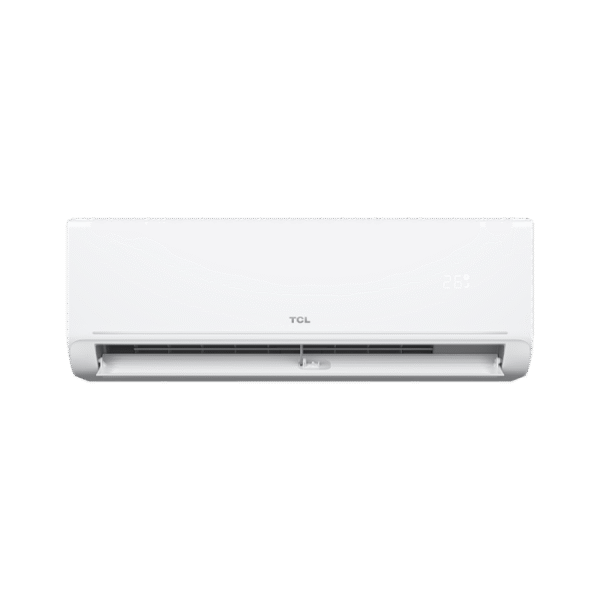 TCLTCL SaveIN EX-31W 1.5 Ton Inverter AC Heat & Cool_New ModelRs 124,999In stock
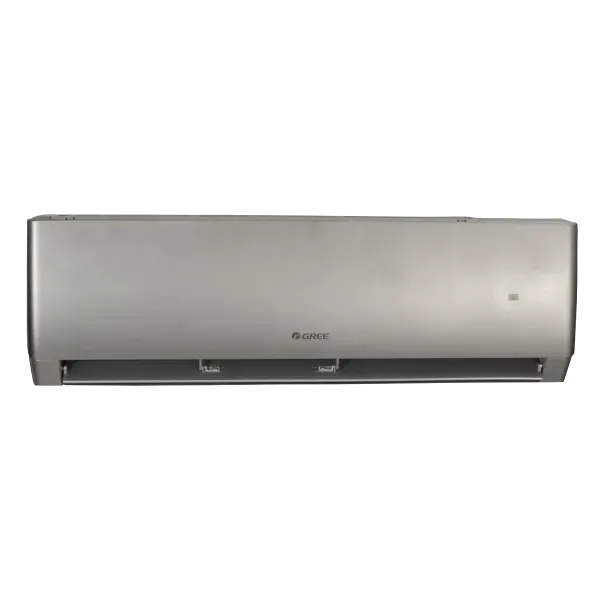 GreeGree DC Inverter 18PITH11S (Silver) Split AC 1.5 Ton Heat & CoolRs 159,500In stock
 HaierHaier HSU-Solar Hybrid-3 Hot and Cool Inverter AC – 1.5 Ton, T3, 2026 ModelRs 163,999In stock
Already have an inverter AC? Check whether it says “heat and cool” or “H&C” on the model, as many do. To choose the right size, see our AC size guide. For water heating, read our geyser guide.
Frequently asked questions
Does an inverter AC heat well in very cold weather?
Heat output drops as it gets colder outside, but in typical Punjab winters (rarely far below freezing) a heat-and-cool inverter AC heats a room comfortably. In very cold northern areas, check the minimum operating temperature on the spec sheet.
Can a non-inverter AC heat?
Some non-inverter models have a heat mode, but they are less efficient and cycle on and off. An inverter model is the better choice if you will heat every day.
Is it safe to leave an AC on heat mode all night?
Yes. There is no flame or fumes. Use sleep mode or a timer to avoid overheating the room.