Quick answer
- Air cooler: about one-fifth of the running cost of an AC, and it works well in dry heat (roughly April to June in Punjab). Much weaker in humid monsoon weather.
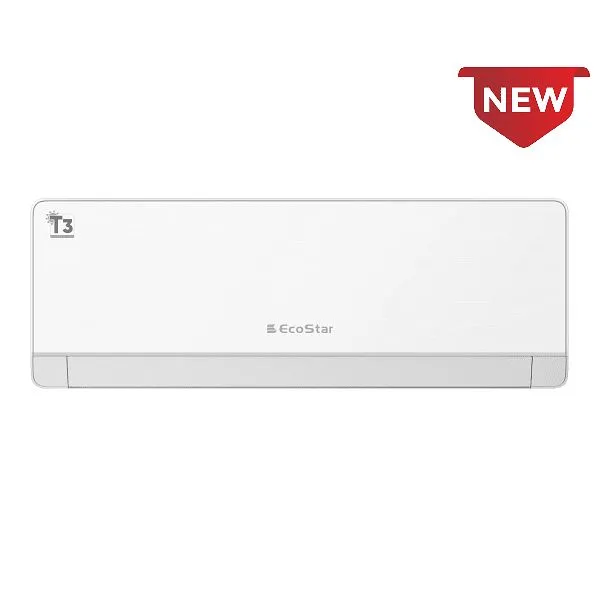
- AC: cools in any weather and also dries the air, but costs more to buy and run.
- Many homes use both: a cooler in the lounge or veranda, and an inverter AC in the bedroom.
With electricity prices where they are, many families ask whether an air cooler can replace an AC. Sometimes it can, sometimes it cannot. It depends on the weather in your city, the room, and how you use it. Here is an honest comparison.
How an air cooler works
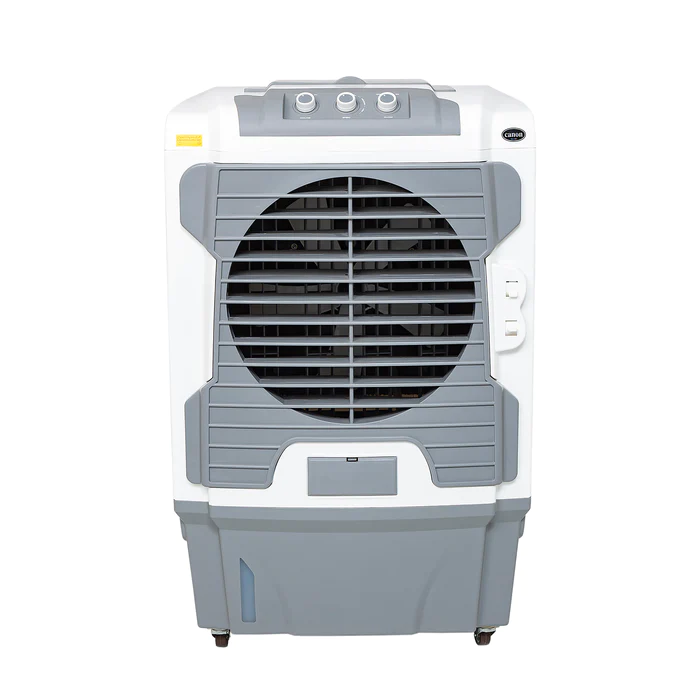
An air cooler (also called a room cooler or evaporative cooler) pulls hot air through wet cooling pads. As the water evaporates, it absorbs heat, and the air coming out is cooler. It uses a fan and a small water pump, so it draws only about 100–250 watts, compared with roughly 1,000–1,800 watts for a running 1.5-ton AC.
The catch: evaporation works best when the air is dry. In the dry heat of May and June, a good cooler can bring the air temperature down noticeably. In July and August, when monsoon humidity is high, the air is already full of moisture, evaporation slows, and the cooler mostly blows humid air around.
Side by side
| Air cooler | Inverter AC | |
|---|---|---|
| Price | About Rs 20,000–40,000 | About Rs 1–2.5 lakh plus installation |
| Power use | About 100–250 W | About 800–1,800 W |
| Dry heat (40 °C+) | Good | Excellent |
| Humid monsoon | Weak | Excellent; also removes humidity |
| Installation | None; just plug in and fill with water | Indoor and outdoor units, piping |
| Needs | Fresh air (an open window or door) and water | A closed room |
| Runs on UPS or solar | Easily, especially DC models | Needs a large system |
Price ranges reflect our current range at the time of writing; the product cards below show today’s prices.
Getting the most from an air cooler
- Keep a window or door open. This is the most important tip. A cooler in a closed room quickly makes the air humid and stuffy.
- Place it near a window so it pulls in fresh outside air.
- Use ice or the ice-chamber during the hottest hours for a little extra cooling.
- Clean the pads and tank every week or two to stop smells and algae, and replace honeycomb pads when they harden.
- Choose the right tank size: 60–75 litres for a room, 90–120 litres for a large lounge or for running all night without refilling.
DC coolers for load-shedding
“DC” coolers run on 12 V DC as well as mains power, so they can run directly from a battery, a UPS or a small solar panel during power cuts. If load-shedding is a regular problem in your area, a DC model is worth the small extra cost.
Which should you choose?
- Tight budget, dry climate, open rooms: an air cooler.
- Bedroom for sleeping in July and August: an inverter AC. Nothing else handles humid nights properly.
- Best of both: a cooler for the lounge and veranda during the day, and an AC in the bedroom at night. This keeps your bill down while staying comfortable all summer.
Coolers and ACs we recommend
Air coolers and entry-level inverter ACs
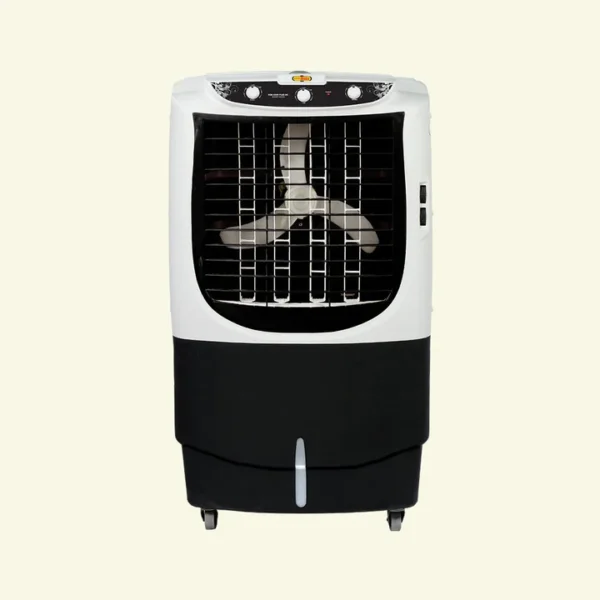 Super AsiaSuperAsia ECM-3500 PLUS DC SMART COOLRs 19,999In stock
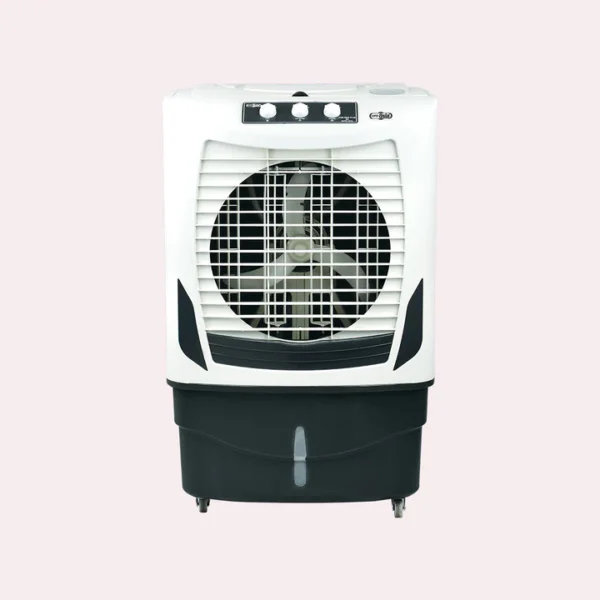 Super AsiaSuperAsia ECM-4800 PLUS DC RAPID COOLRs 24,999In stock
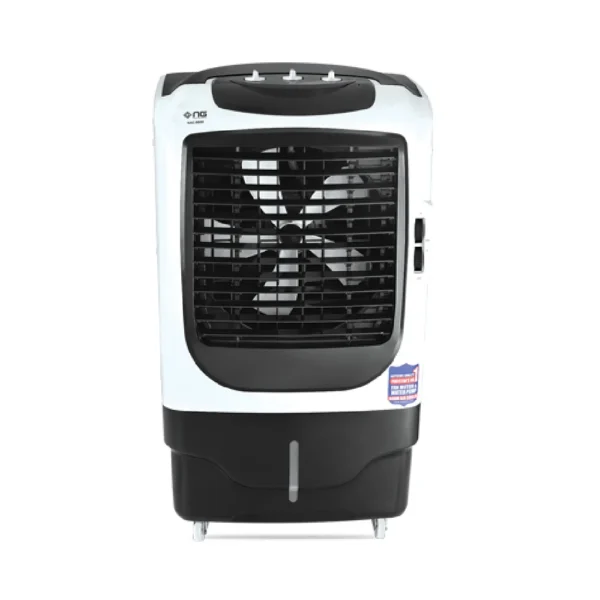 NasgasNasgas 60 Liters Room Air Cooler NAC-9800Rs 26,999In stock
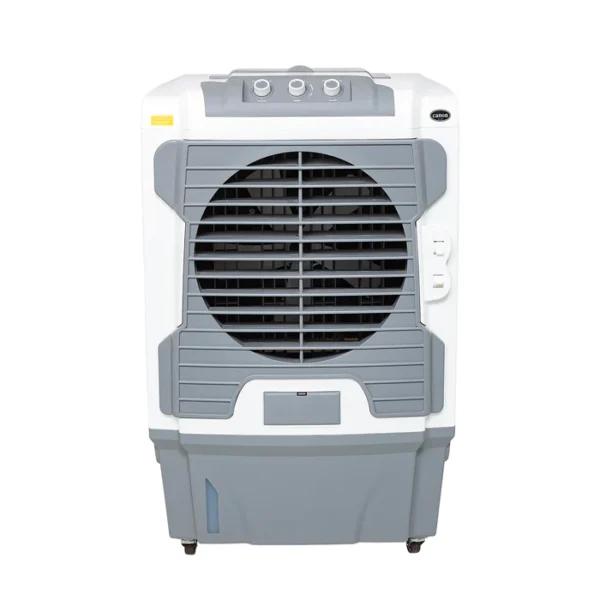 CanonCanon Room Air Cooler - CA-7500 - 120 Liters - 3 SpeedRs 36,500In stock
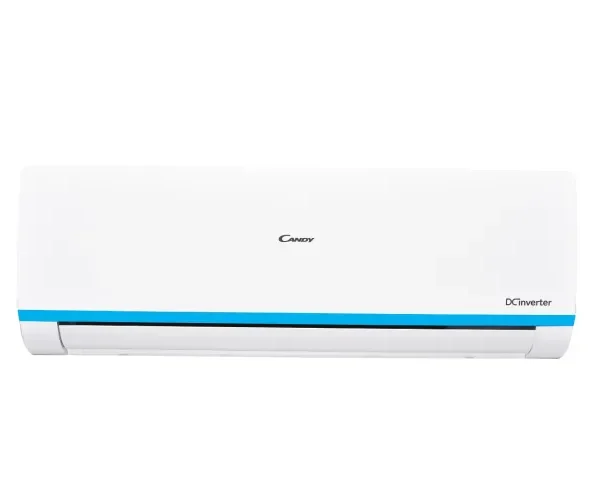 CandyCandy by Haier 1 Ton DC Inverter AC Model CSU-13HF | Updated 2026Rs 91,999In stock
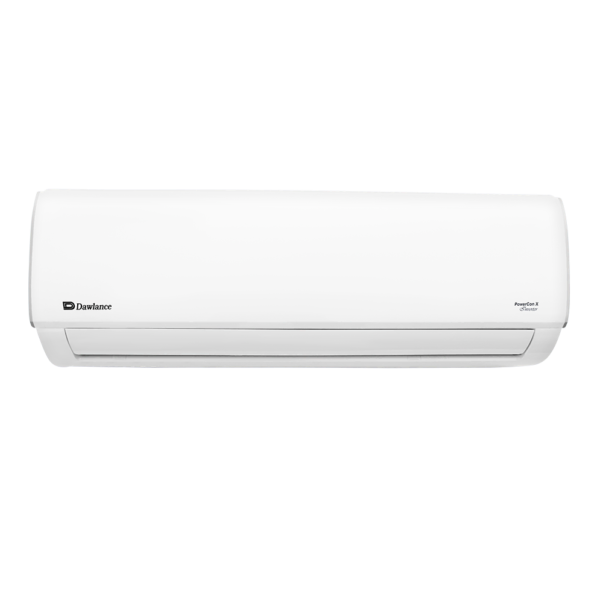 DawlanceDawlance 1 Ton PowerCon-X-15 split Inverter ACRs 106,999In stock
See all air coolers or browse air conditioners. Choosing an AC? Start with our AC size guide and the running cost comparison.
Frequently asked questions
Can an air cooler cool a whole house?
No. A room cooler is designed for one room or an open lounge. For several rooms you need several coolers, or a ducted desert cooler.
Is it safe to sleep with an air cooler on?
Yes, as long as the room is ventilated. In a closed room the humidity rises and the room becomes stuffy.
How much water does a cooler use?
It depends on the heat and the size. In dry summer heat, a large cooler can use a full tank over several hours.