Quick answer
- Reliable gas supply and one or two bathrooms: a gas instant geyser (6–12 litres per minute) is the cheapest to run.
- Gas is weak or cut in winter: an electric storage geyser (30–100 litres), or a gas + electric hybrid.
- Hot water for a single tap or a small flat: a compact electric instant or 10–15 litre storage geyser.
- Safety first: never install a gas geyser inside a closed bathroom.
Every winter the same question comes up: gas or electric? Ten years ago the answer was always gas. Today, with low gas pressure and winter gas load-shedding in many areas, more homes in Lahore are switching to electric or hybrid geysers. This guide compares the options so you can choose for your house and your gas supply.
The five types of geyser
| Type | How it works | Best for | Watch out for |
|---|---|---|---|
| Gas instant (tankless) | Heats water only while the tap is open | Homes with steady gas; no waiting | Needs good gas pressure and water pressure |
| Gas storage | Large tank (35–55 gallons) kept hot by a gas burner | Big families, several bathrooms | Uses gas all day to keep the tank hot; slow to reheat |
| Electric storage | Insulated tank (10–100 L) heated by an element | Areas with weak or no gas in winter | Electricity cost; size it to your family |
| Electric instant | Small unit that heats water as it flows | One tap, kitchen or a small flat | High power draw while running; limited flow |
| Hybrid (gas + electric) | Storage tank with both a burner and an element | Gas that comes and goes | Higher price; needs both connections |
Gas instant geysers
An instant geyser has no tank. When you open a hot tap, water flows through a heat exchanger and the gas burner lights automatically. Sizes are given in litres per minute:
- 6 litres: one bathroom, one shower at a time.
- 8–10 litres: a family home with a shower and a basin running together.
- 12 litres and above: two showers at once, or a long pipe run from the geyser.
Most models work on natural gas (Sui gas) and some on LPG cylinders. Check which one before you buy, as the burner is set up for one type. Digital models show the water temperature, and “dual” or “auto ignition” models light with batteries instead of a pilot flame.
Low gas pressure? An instant geyser needs a minimum gas pressure to light and stay lit. If your stove flame is weak on winter mornings, an instant geyser may struggle at exactly the time you need it. Consider an electric storage or hybrid geyser instead.
Electric storage geysers
An electric storage geyser keeps a tank of water hot, ready for use. It works whether or not there is gas, and a well-insulated tank keeps water hot for hours after heating. Size it to your household:
| Household | Tank size |
|---|---|
| 1–2 people or one bathroom | 15–30 litres |
| 3–4 people | 30–50 litres |
| 5–6 people or two bathrooms | 50–80 litres |
| Large family, several bathrooms | 100 litres |
To keep running costs down: set the thermostat to around 50–55 °C instead of the maximum, heat the water about an hour before it is needed, and switch off when not in use. If you have solar panels, heat during the day.
Safety: please read this
- Never install a gas geyser inside a bathroom or any closed room. Gas geysers produce carbon monoxide, a gas you cannot see or smell. Every winter in Pakistan people die from geysers and heaters in closed rooms.
- Install gas geysers outdoors or in a well-ventilated space, with a proper flue where required.
- Electric geysers need a correctly rated wire, a proper earth connection and a separate breaker.
- Have a qualified plumber install the geyser, including the pressure valve on storage models.
Geysers we recommend
Gas, electric and hybrid geysers
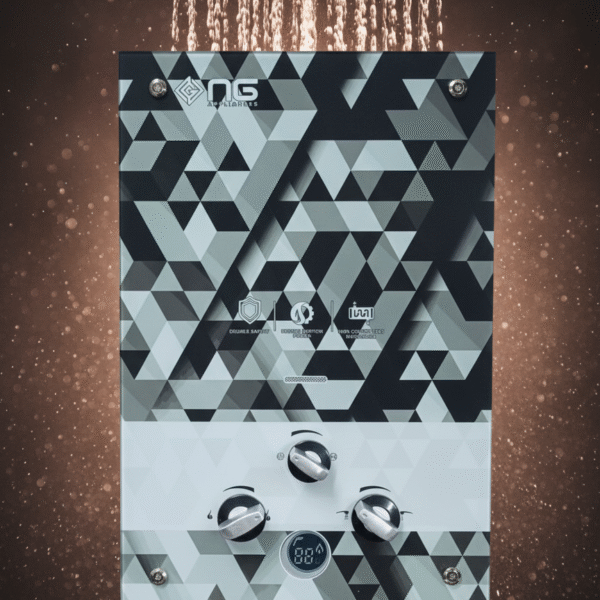 NasgasNasgas DG-06L (Crystal) 6-Liter Gas Water Heater | Energy Efficient, Compact & Digital DisplayRs 19,500In stockNasgasNasgas DG-10L (Crystal) 10-Liter Gas Instant Geyser | Digital Display, Auto Ignition & Energy SavingRs 30,900In stock
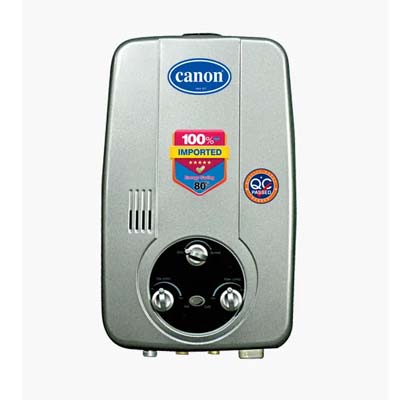 CanonCanon 12 Liters Instant Gas Geyser 24DDRs 36,900In stock
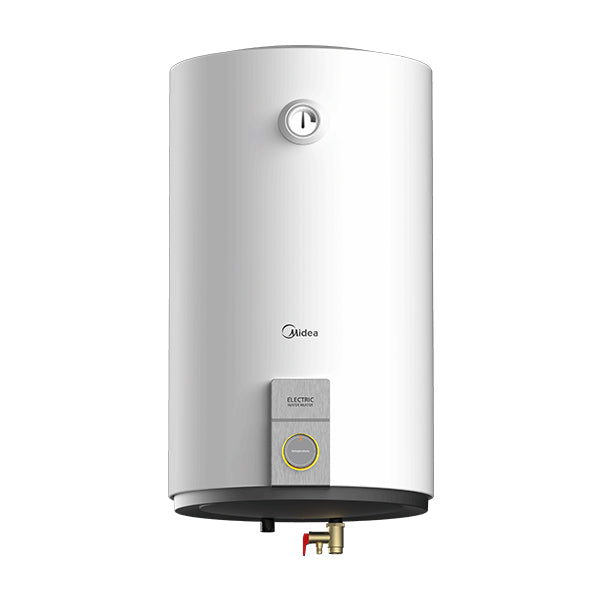 MideaMidea D30-20FN 30 Liters Fast Electric Storage Geyser | Fast Heating & Energy Efficient – Buy in PakistanRs 37,999In stockMideaMidea 50 Liters Fast Electric and Storage Geyser D50-20FN – Efficient Hot Water Solution for Home & OfficeRs 48,500In stockMideaMidea D100-20FN 100 Liters Fast Electric and Storage Geyser | High-Capacity, Fast Heating & Energy Efficient – Buy in PakistanRs 79,999In stock
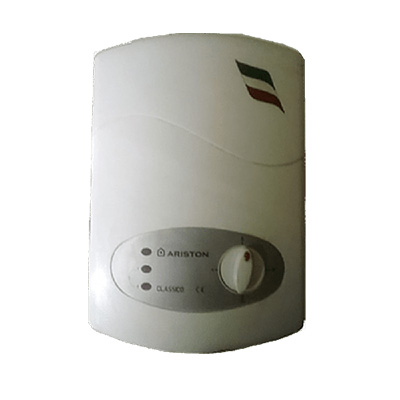 AristonAriston Instant Electric Water Geyser 5 Liters 4528Rs 33,999In stock
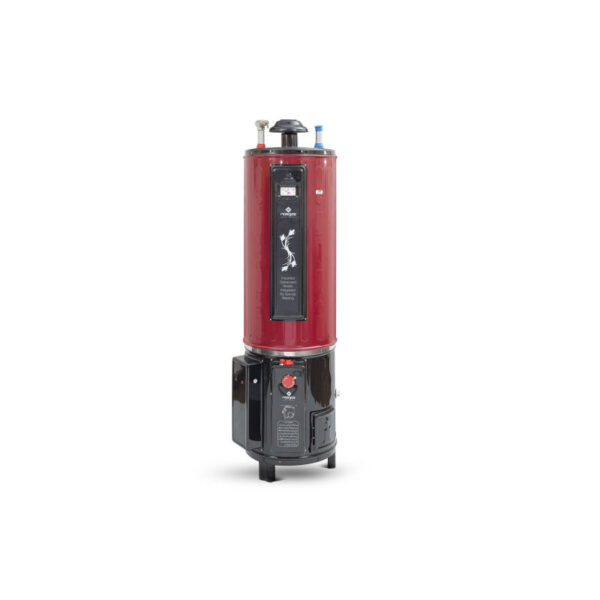 NasgasNasgas Electric and Gas DEG-55 Super DeluxeRs 58,999In stock
Browse instant geysers, electric geysers and storage geysers, or see everything in geysers and heaters.
Frequently asked questions
Which is cheaper to run, gas or electric?
Where gas is available at normal pressure, gas usually costs less per litre of hot water. When gas is weak or unavailable, an electric storage geyser is the reliable option. Many homes now keep an electric geyser for winter mornings and use gas when it is available.
Can I use a heat-and-cool AC instead of a room heater?
Yes. An inverter heat-and-cool AC is often cheaper and safer than gas or oil heaters for warming a room. It does not heat water, though.
How long does a geyser last?
With good installation and descaling every year or two (hard water in many areas causes scale), a geyser typically lasts many years. Storage tanks last longer when the anode rod is checked during servicing.