Quick answer
- Formula: units (kWh) = watts × hours ÷ 1,000.
- Biggest users in most homes: ACs in summer, electric geysers and heaters in winter, then fridges and freezers (because they run 24 hours).
- Quickest savings: inverter ACs at 26 °C, an inverter fridge, and not leaving the geyser or water dispenser heating all day.
When the electricity bill arrives, most families can only guess which appliance is to blame. This guide gives typical consumption figures for the appliances in a Pakistani home, and a simple way to work out your own.
How to calculate units for any appliance
One “unit” on your bill is one kilowatt-hour (kWh): 1,000 watts running for one hour.
Units = power in watts × hours used ÷ 1,000
Example: a 100-watt LED TV on for 5 hours uses 100 × 5 ÷ 1,000 = 0.5 units a day, or about 15 units a month.
The power rating is on the sticker on the back or bottom of the appliance, or in its manual. Appliances with a compressor (ACs, fridges, freezers) do not run at full power all the time, so use the typical figures below instead of the sticker maximum.
Typical usage of common appliances
| Appliance | Typical power | Typical use | Units per month (approx.) |
|---|---|---|---|
| 1.5-ton inverter AC (summer) | 0.8–1.2 units per hour | 8 h/day | 190–290 |
| 1.5-ton non-inverter AC (summer) | 1.4–1.8 units per hour | 8 h/day | 340–430 |
| Refrigerator, 12–16 cu ft | — | 24 h | 30–60 (inverter models at the lower end) |
| Deep freezer | — | 24 h | 45–90 |
| Ceiling fan (standard / DC) | 70–80 W / 30–35 W | 12 h/day | 25–30 / 11–13 |
| Air cooler | 150–250 W | 10 h/day | 45–75 |
| LED TV 32″ / 55″ | 30–50 W / 100–150 W | 5 h/day | 5–8 / 15–23 |
| Water dispenser (hot and cold on) | — | 24 h | 30–60 |
| Electric geyser, 2 kW | 2,000 W while heating | 2 h/day heating | about 120 |
| Oil or fan heater | 1,500–2,000 W | 5 h/day | 225–300 |
| Microwave oven | 1,000–1,200 W | 20 min/day | 10–12 |
| Iron | 1,000 W | 30 min/day | about 15 |
| Washing machine (twin tub / automatic, cold wash) | — | 1 load/day | 10–20 |
| LED bulb | 10–15 W | 6 h/day | 2–3 each |
These are typical ranges from manufacturer ratings and everyday use. Your figures depend on the model, settings, room and weather.
Where the savings are
In summer: the AC
The AC is almost always the biggest item. An inverter model at 25–26 °C with a fan running can use 30–50% less than an old non-inverter set to 18 °C. See our inverter vs non-inverter comparison and AC maintenance tips.
In winter: geysers and heaters
An electric geyser left on all day keeps reheating the tank. Heat the water an hour before use and switch off. For room heating, a heat-and-cool inverter AC uses far fewer units than an oil or fan heater; see the cheapest way to heat a room.
All year: things that run 24 hours
Fridges, freezers and dispensers never stop. An old fridge with worn door seals can use much more than a new inverter model. Switch off the dispenser’s hot water in summer and its cooling in winter.
Watch your slab. Tariffs charge more per unit as monthly usage rises, and crossing a slab threshold can raise the price of every unit. Cutting 50–100 units a month can matter more than the units alone suggest.
Efficient appliances worth a look
Inverter AC, inverter fridge, inverter freezer, DC air cooler
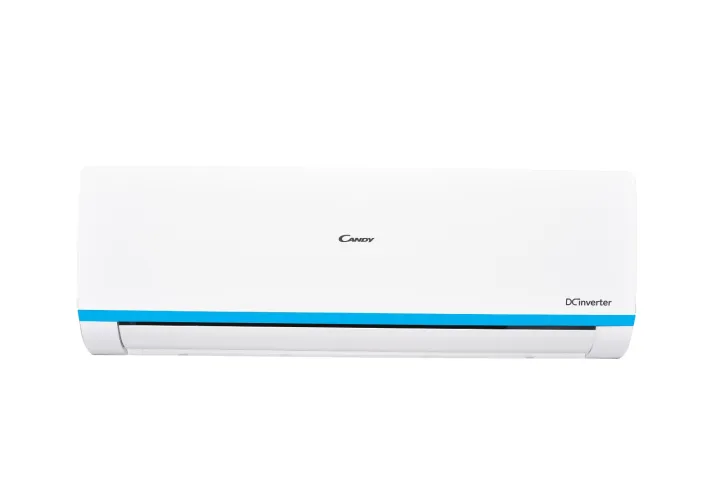
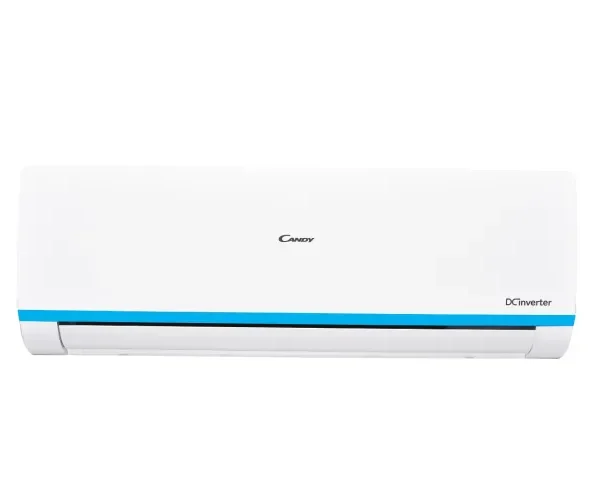 CandyCandy by Haier 1 Ton DC Inverter AC Model CSU-13HF | Updated 2026Rs 91,999In stock
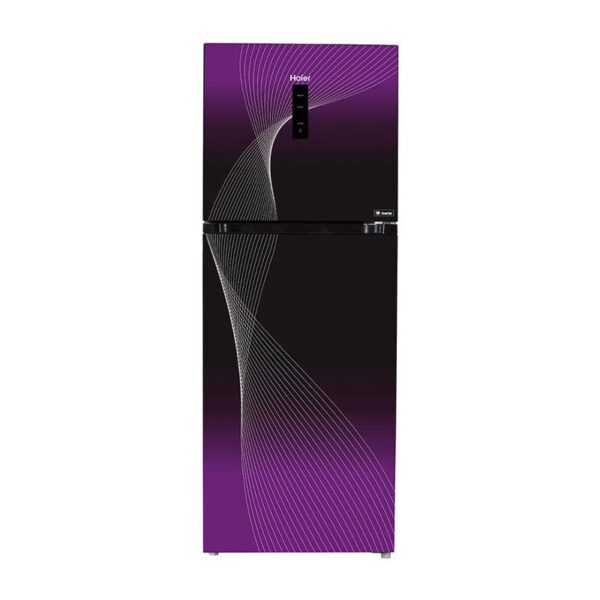 HaierHaier HRF-316IFGA/IFRA 12 CFT Digital Inverter RefrigeratorRs 94,999In stock
 HaierHaier HDF-245IG Inverter Deep Freezer – 245 Liters | Grey | Single Door | Energy Saving | 2025 ModelRs 77,500In stock
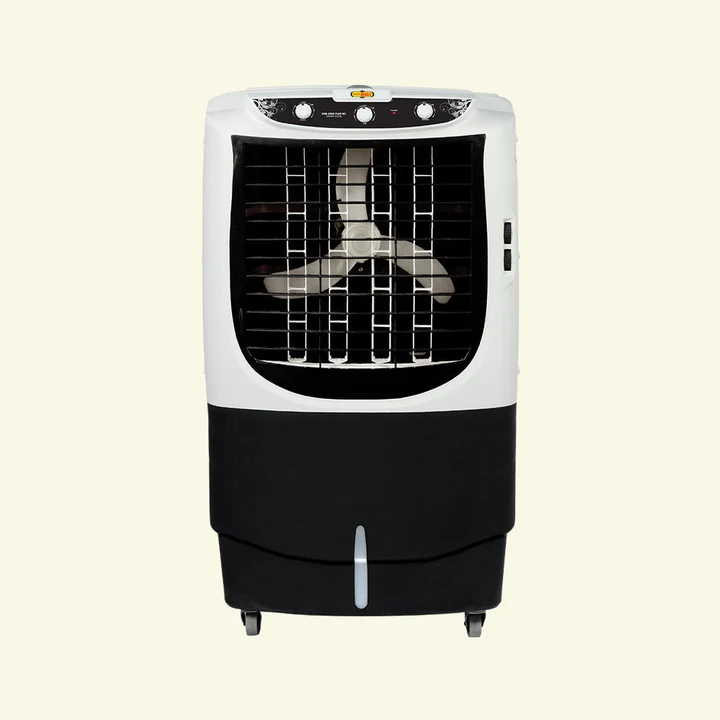
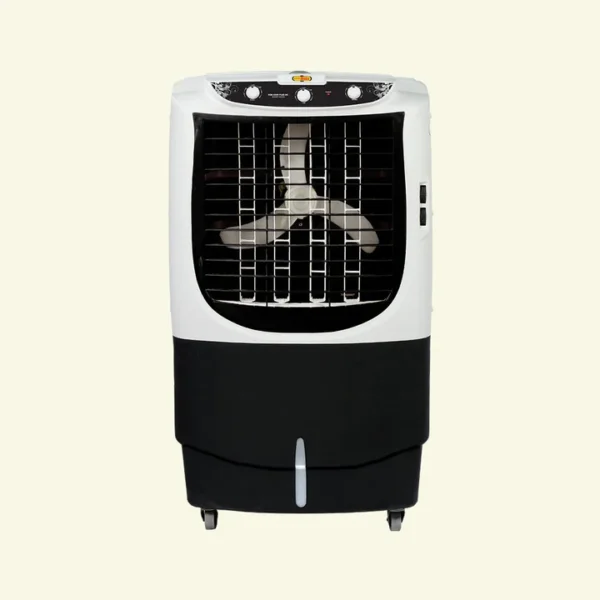 Super AsiaSuperAsia ECM-3500 PLUS DC SMART COOLRs 19,999In stock
Frequently asked questions
Does switching appliances off at the wall save electricity?
A little. Standby power for a TV or microwave is usually just a few watts. The real savings come from the big appliances: AC, geyser, heaters and fridge.
How can I check how much my AC actually uses?
Note your meter reading, run only the AC for an hour with other big appliances off, and read the meter again. The difference is roughly the AC’s use for that hour.
Are 5-star or “energy saving” labels reliable?
They are a useful guide for comparing models of the same type, but real use depends on how you set and maintain the appliance.